
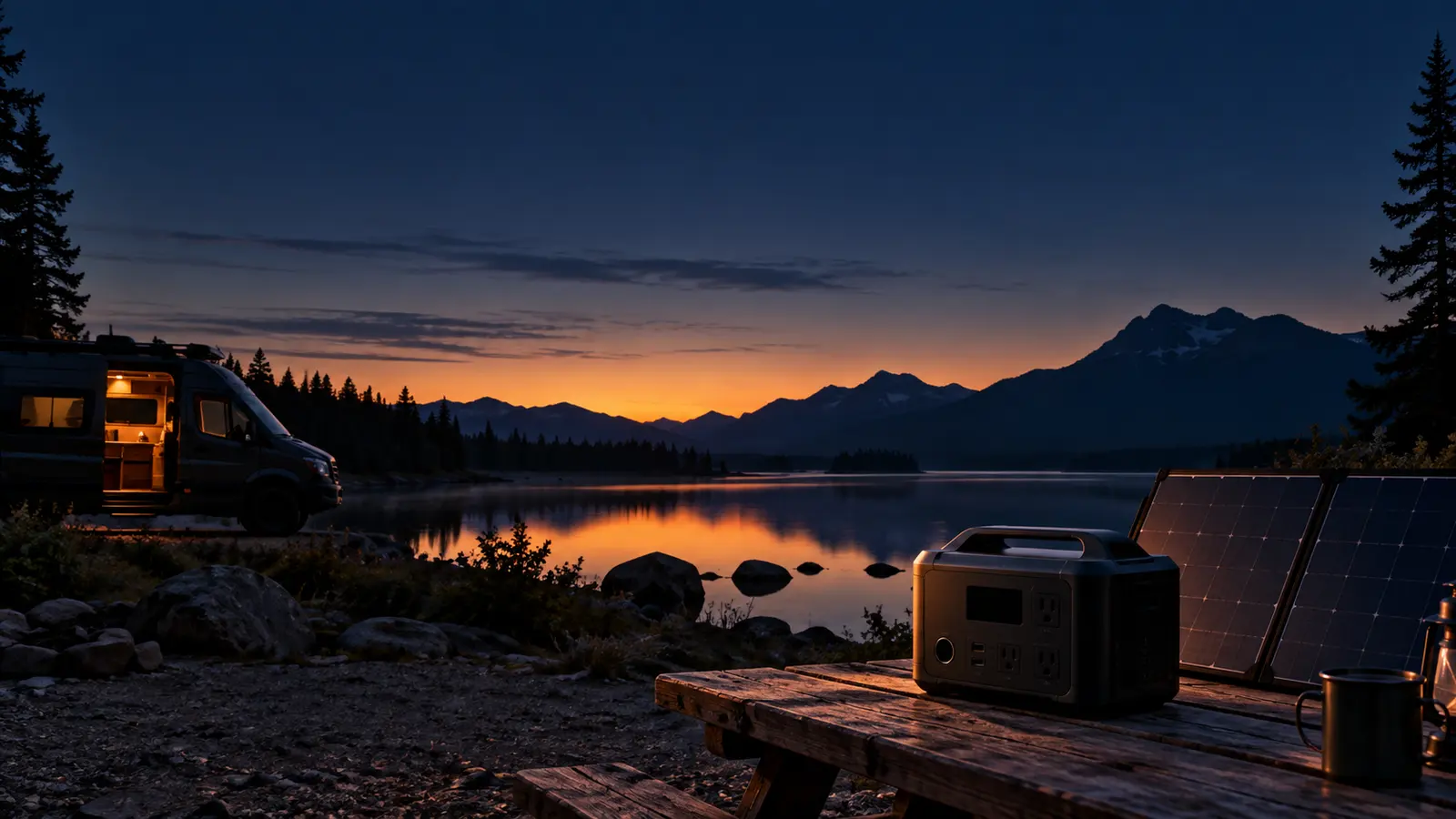
Portable Power Stations, Solar Panels and Solar Generators Compared
Compare capacity, output, weight and charging for your appliances. Find portable power for camping, RVs or home backup.
Power on the scale of your plans.
WilderWatt compares portable power stations, portable solar panels and solar generator kits sold on Amazon.com using only the specs manufacturers publish. For most people, a 1 kWh LiFePO4 station like the EcoFlow DELTA 3 is the right start; step up to 2 kWh or more for RVs and home backup.
Start with what you want to solve
Compare the differences that change your choice before checking an offer.
Power stations
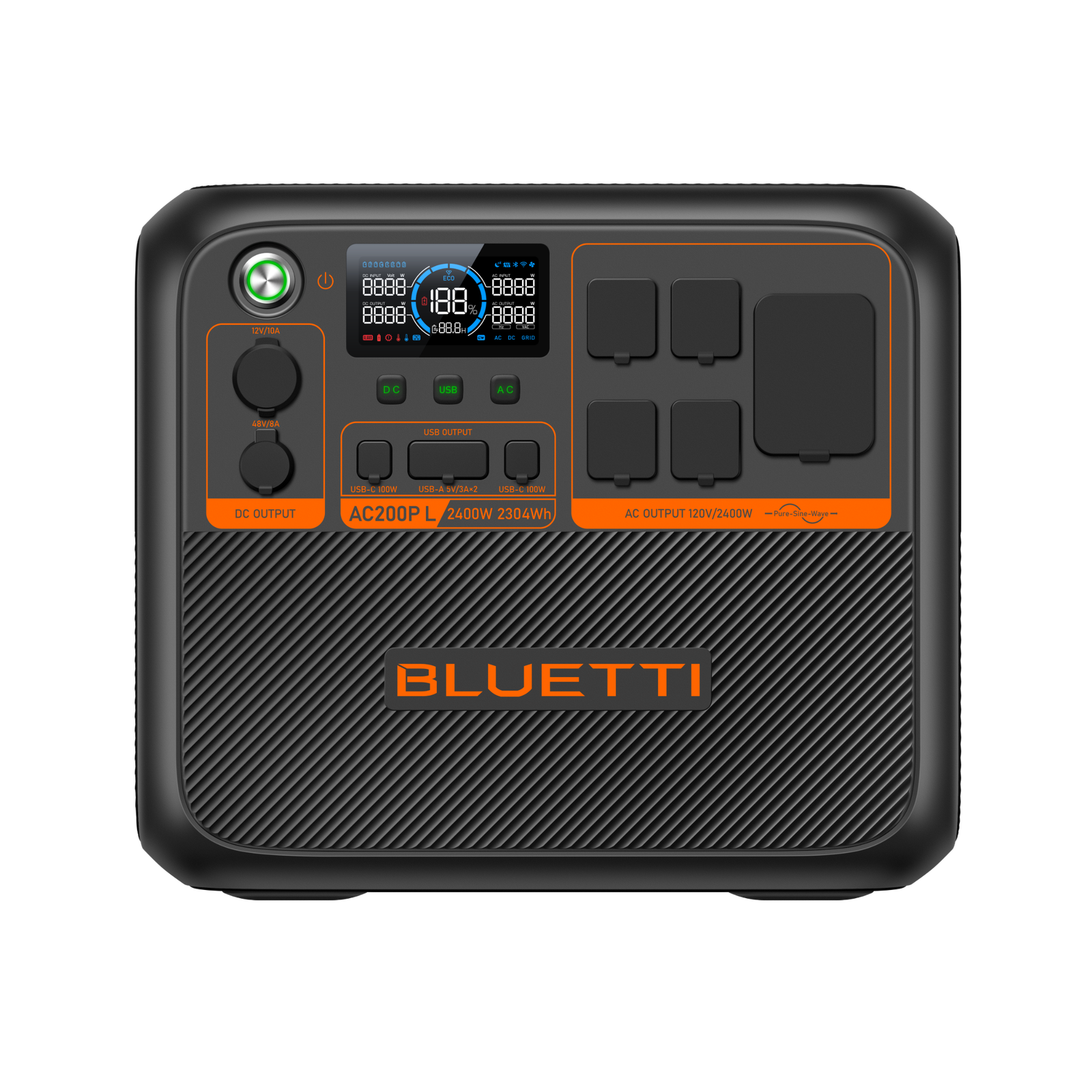
Bluetti AC200PL vs Growatt INFINITY 2000 Pro compared on official specs: capacity, solar input, UPS, cycles, expansion and weight, with a clear pick.
Compare options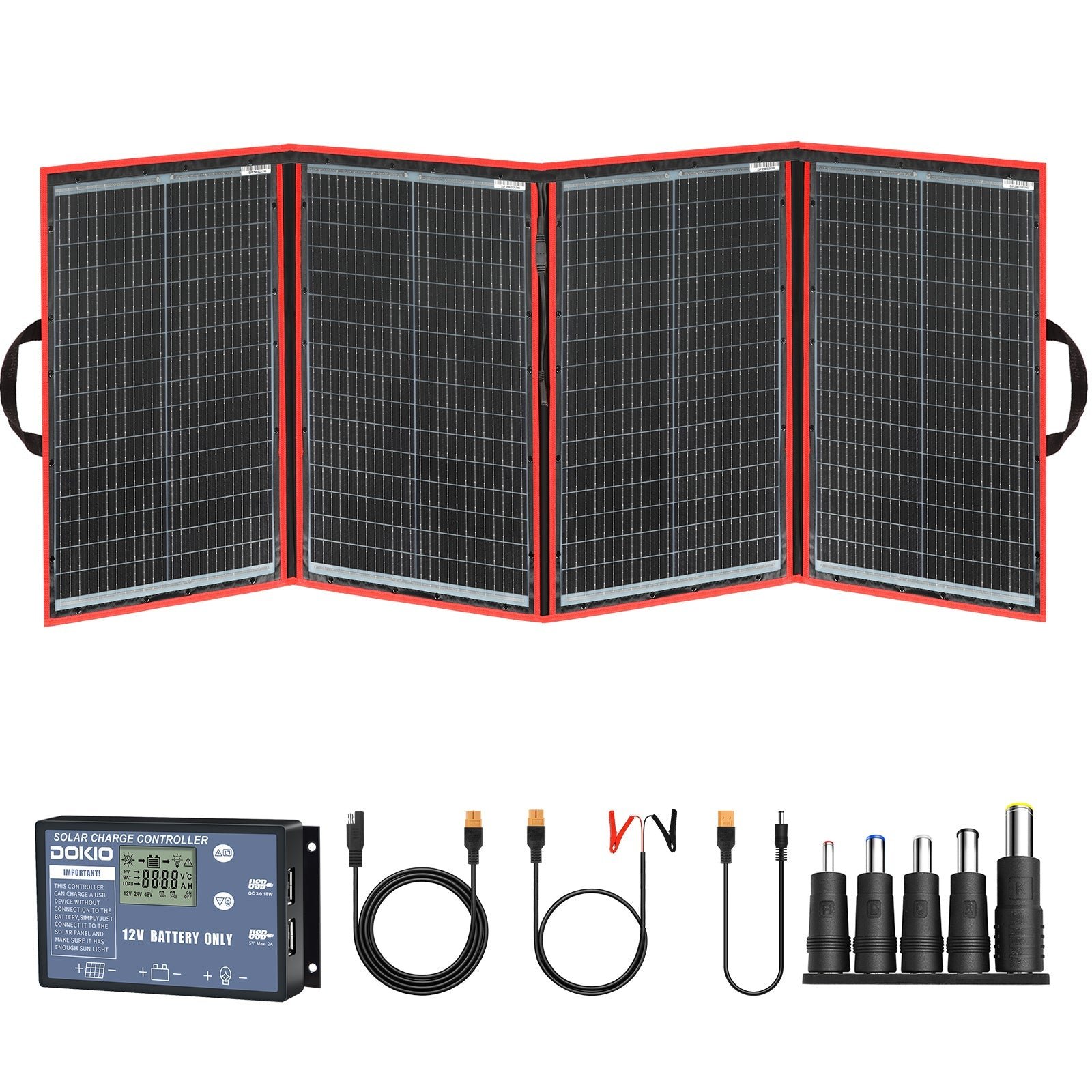
Solar panels
Renogy 100W vs HQST 100W portable solar panels compared on official specs: weight, connectors, USB, IP67 and warranty, with real output math and a pick.
Compare options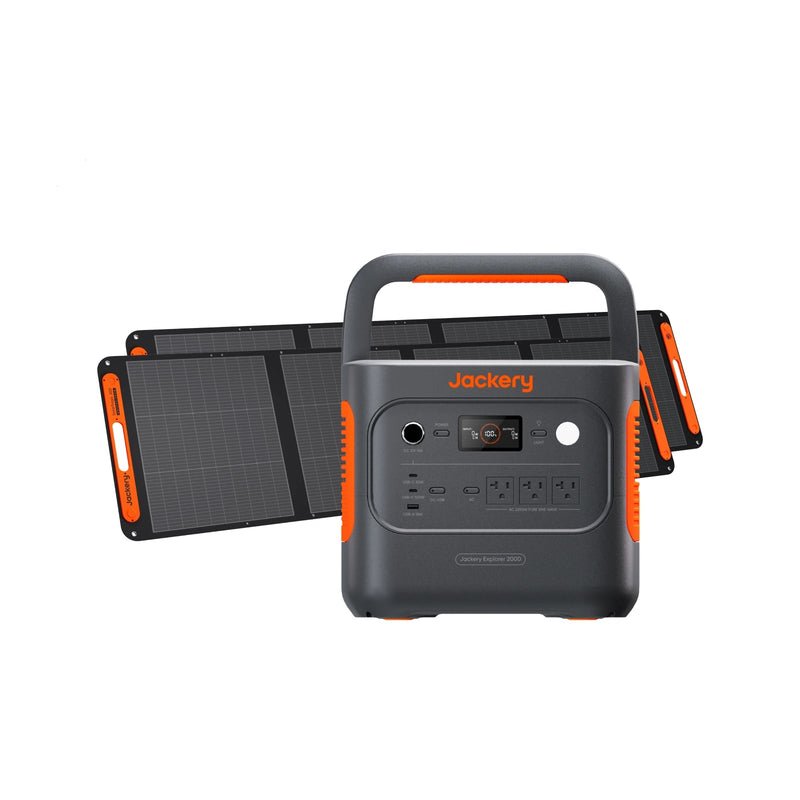
Solar generators
The 5 best solar generator kits of 2026, compared on capacity, included panel watts and sun hours to refill, with honest drawbacks for each bundle.
Compare optionsYour space. Your use. Your priorities.
Explore by category to narrow down models and requirements.
Find your starting point
Each family serves a different need. Start with yours.
Power stations
What a portable power station does, which size fits camping, RVs or home backup, and a spec comparison of six LiFePO4 models sold in the US.
Explore modelsSolar panels
How portable solar panels work, what wattage, efficiency, IP rating and connectors mean, and a spec comparison of six foldable 100 W and 200 W panels.
Explore modelsSolar generators
What a solar generator is, when a station-plus-panel kit beats buying separately, and a spec comparison of five solar generator kits sold in the US.
Explore models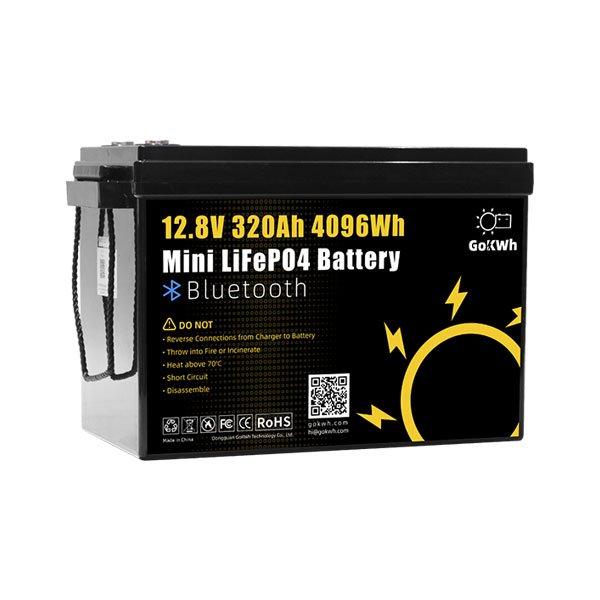
Batteries
What a 12V LiFePO4 battery is, how Ah, Wh and BMS ratings work, and a spec comparison of five batteries from 100Ah to 320Ah for RVs, boats and cabins.
Explore models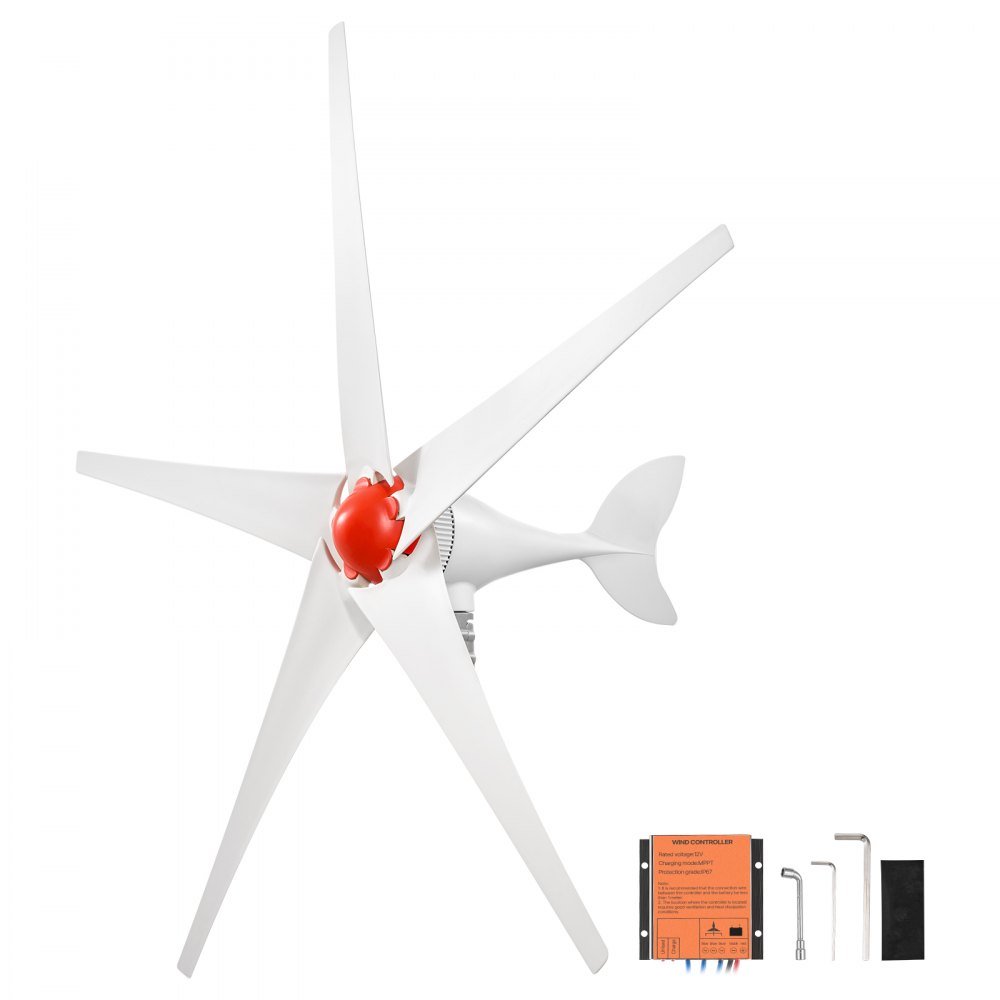
Wind
What a small 200-800 W wind turbine really produces, when it makes sense next to solar, and a spec comparison of six turbines sold in the US.
Explore modelsModels to compare with confidence
Use cases, differences and limits of the selection. Open a profile to decide and the retailer to check current conditions.
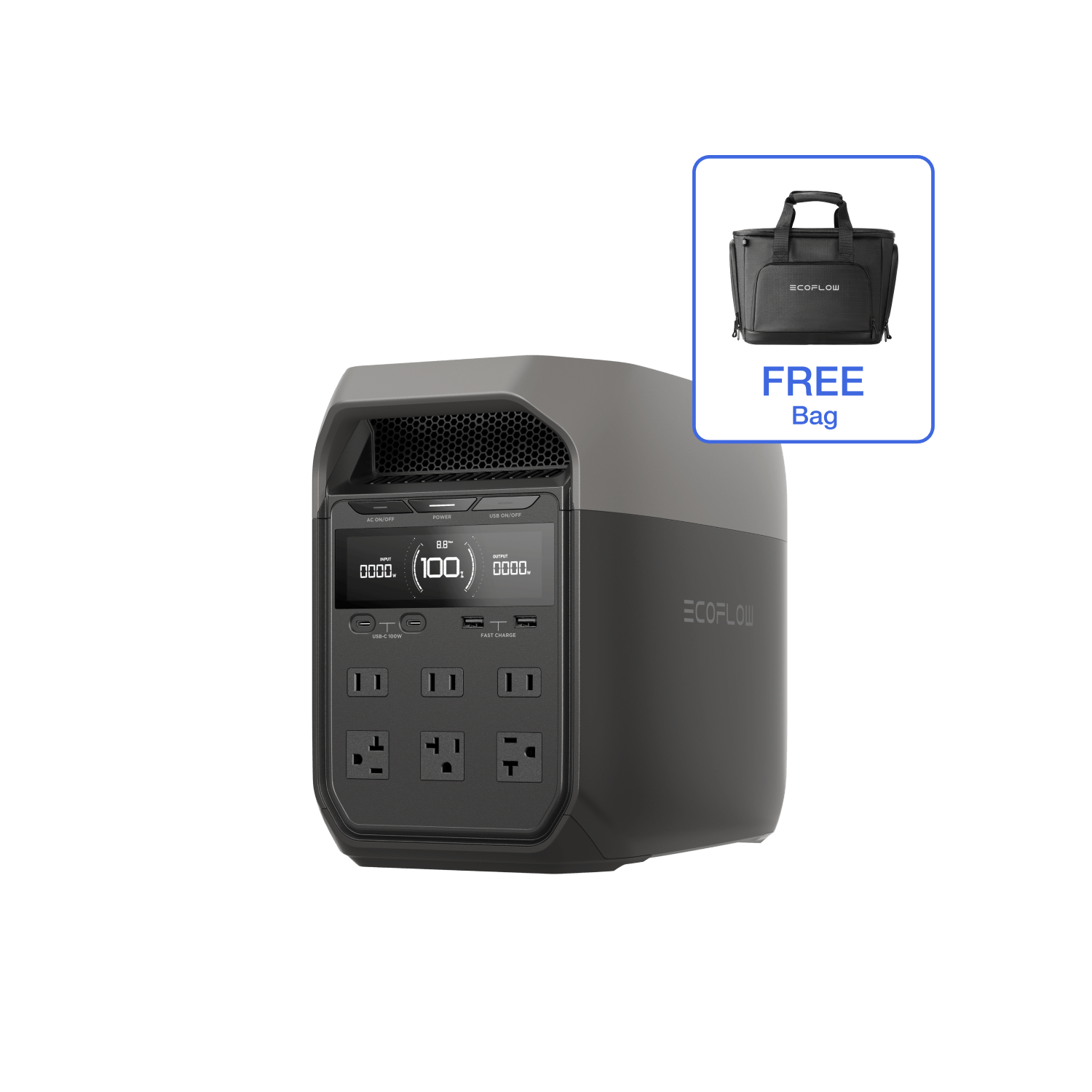
EcoFlow DELTA 3
Best overall1,024 Wh · 1,800 W
1,024 Wh of LiFePO4 with 1,800 W AC output and 500 W solar input in a 12.5 kg (27.6 lb) box.
The catch: The listing does not declare a UPS switchover time.
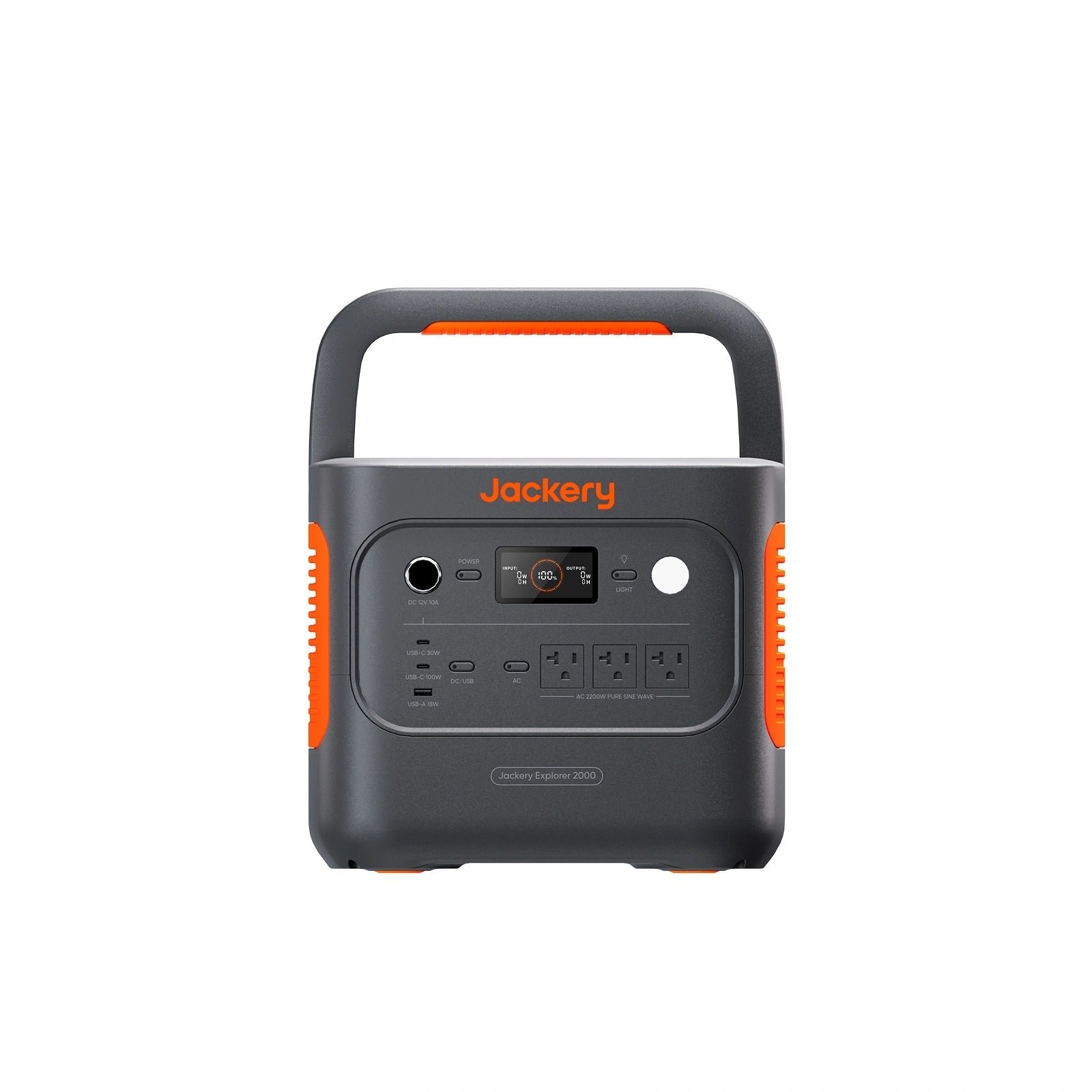
Jackery Explorer 2000 v2
Best 2 kWh station2,042 Wh · 2,200 W
2,042 Wh at 17.9 kg (39.5 lb), about 114 Wh per kg, with a 20 ms UPS and a 5-year warranty.
The catch: Maximum solar input is not published on the listing.
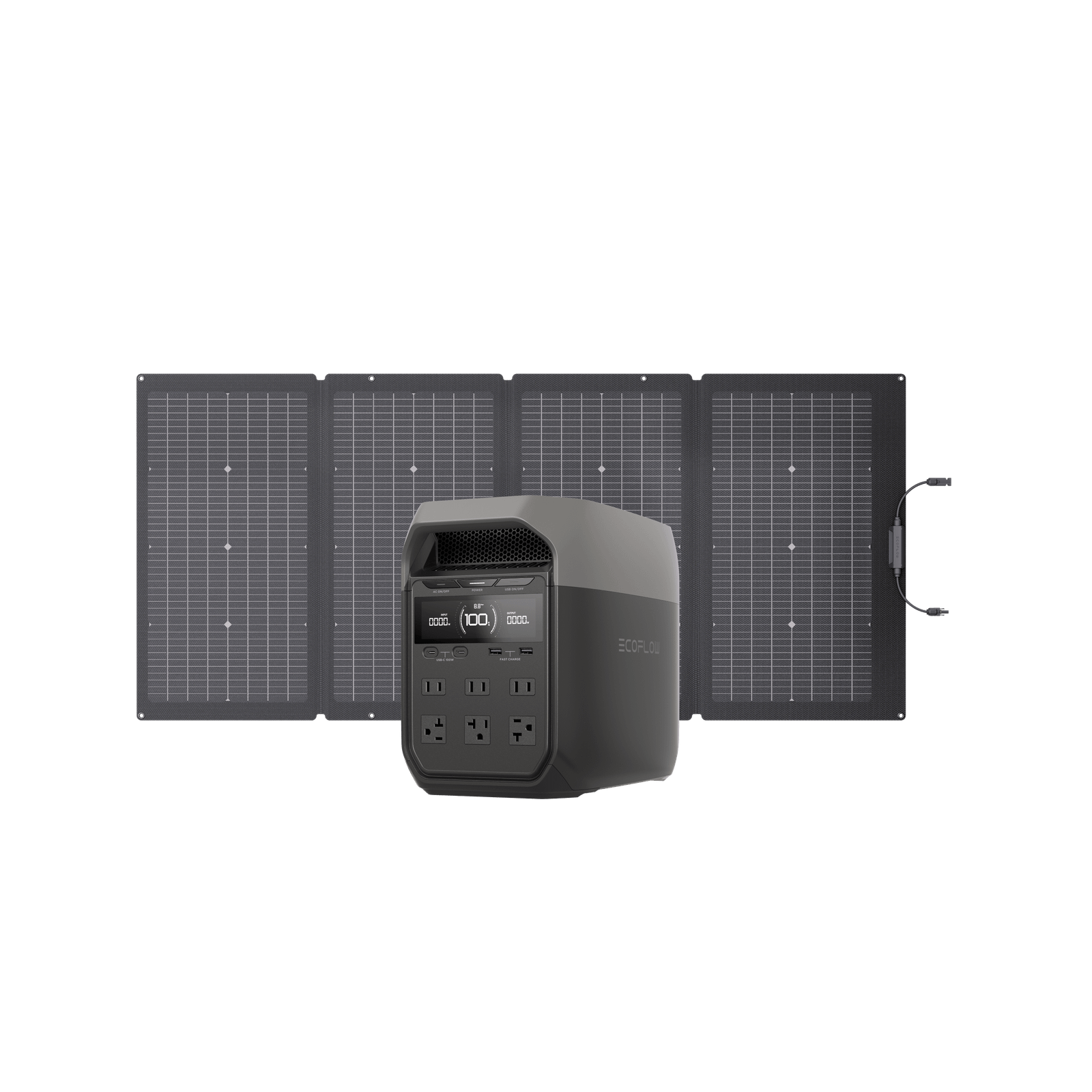
EcoFlow DELTA 3 + 220W panel
Best solar generator kit1,024 Wh · 1,800 W
The DELTA 3 plus a 220 W panel that can refill it in roughly 6 peak sun hours.
The catch: Kit weight and surge rating are not listed on the bundle page.
Check the current price, availability, variant and purchase conditions with the retailer.
Start with what you need to plug in.
Appliance demand, hours of use and available charging change the battery you need. Check the guides and calculations before buying.
Read before choosingUnderstand what really matters
Our methodHow to Choose a 12V LiFePO4 Battery: Ah, Wh, BMS, Cold and Wiring
How to choose a 12V LiFePO4 battery: size it in Wh, match the BMS to your inverter, handle cold charging and wire banks safely, with a calculator.
Read guideHow Long Does a Portable Power Station Last? Runtime Formula and Appliance Table
How long a portable power station runs a fridge, CPAP, TV or laptop: the runtime formula, an appliance table, a calculator and battery lifespan.
Read guideHow to Choose a Portable Power Station: Capacity, Output and Solar Math
How to choose a portable power station: size Wh and W with simple formulas, then check surge, LiFePO4, solar input, UPS, ports and weight. US examples.
Read guideWhich product should you start with?
Start with a station of around 1 kWh if you are not sure. It runs a laptop, lights and a 45 W fridge for most of a weekend: 1,024 Wh × 0.85 ÷ 45 W ≈ 19 hours of fridge time, where 0.85 accounts for typical inverter and conversion losses. If you want to run a full-size fridge through a long outage, or live in an RV for days, look at 2 kWh and up.
One honest note: our US catalog focuses on 1-3 kWh LiFePO4 stations. We do not currently list a small, ultralight AC station under 5 kg (11 lb), so backpackers should read our solar panels for camping and the smallest options in power stations for camping.
What does each category cover?
Each category answers a different buying question.
- Portable power stations: the battery, inverter and outlets. See the best portable power stations ranking, plus picks for RV and van camping and home backup during outages.
- Portable solar panels: foldable 100-200 W panels that recharge a station off-grid. Start with the best portable solar panels.
- Solar generators: a station and panel sold as one bundle. Our best solar generator kits page shows how many sun hours each kit needs to refill.
- 12 V LiFePO4 batteries: bare deep-cycle batteries for RVs, boats and DIY off-grid systems. See the best LiFePO4 batteries and size one with the battery calculator.
- Small wind turbines: 200-800 W turbines that can add winter charging on a windy site. Read are small wind turbines worth it? before the best wind turbines list, because the watts in the title assume strong wind.
Which brands do we cover?
We have brand pages for the five makers with the most models in our US catalog. Each one lists every model we track, its strong and weak points on paper, and which one to pick for each use.
- EcoFlow: DELTA 3 family, from 1 kWh to the 4 kWh DELTA Pro 3.
- Jackery: Explorer and HomePower stations plus the SolarSaga 200W panel.
- Anker SOLIX: from small DC-only units to the F3000.
- Bluetti: the AC200PL, the Apex 300 kit and two panels.
- Pikasola: five small wind turbines, 12 V and 24 V.
How do I know how much power I need?
Multiply each device’s watts by the hours you use it, add it up, and add a 20 percent margin. A 60 W CPAP for 8 hours (480 Wh), a 45 W fridge for 24 hours (1,080 Wh) and a 60 W laptop for 3 hours (180 Wh) total 1,740 Wh per day. With the margin, that points to a station of about 2 kWh.
Our solar calculator does this for you. For the full background, read how to choose a portable power station and how many solar watts you need.
How do we review products?
We compare published specs, not lab results. For every product we record capacity, output, surge, battery chemistry, weight, solar input, UPS switchover time and warranty from the listing, and we leave a field blank when the manufacturer does not publish it. A missing figure never counts in a product’s favor.
- Derived numbers, with the math shown: watt-hours per kilogram, estimated runtime for a 45 W fridge or 60 W CPAP, and sun hours to refill with a given panel.
- One real drawback per product: weight, low solar input, a short warranty or a missing spec.
- No prices and no star ratings: they change daily on Amazon, so we describe cost levels instead.
The full method, including how the WilderWatt score is calculated, is on how we review. We earn a commission on qualifying Amazon purchases, which never changes your price or our rankings; see our affiliate disclosure.
Where should I go next?
Pick the page that matches your situation. If a station stops charging from a panel, our solar charging troubleshooting guide walks through the usual causes. If you are weighing battery types, read LiFePO4 vs NMC.
Rankings by use
See all- 12V 100Ah LiFePO4 Batteries: What 1,280 Wh Runs and Which to Buy
What a 12V 100Ah LiFePO4 battery runs, how its 100 A BMS limits inverter size, and the two 100Ah models in our US catalog compared on published specs.
- Lightweight Portable Power Stations: Every Model Under 13 kg (29 lb)
The lightest portable power stations in our US catalog: every model with a published weight of 13 kg (29 lb) or less, with Wh-per-kg math.
- Portable Power Stations of 2,000 Wh and Up: 9 Models Compared
All nine portable power stations of 2,000 Wh or more in our US catalog, compared on output, weight, UPS and expansion, with fridge runtime math for each.
- Portable Power Stations of 3,000 Wh and Up: 4 Home Backup Units Compared
The four portable power stations of 3,000 Wh or more in our US catalog, compared on output, surge, UPS, solar input and weight, with outage runtime math.
- Portable Power Stations With UPS: 8 Models With a Declared Switchover Time
Every portable power station in our US catalog with a declared UPS switchover time, from 10 to 20 ms, compared on capacity, output and weight.
- The Best 100W Portable Solar Panels: 4 Models Compared
All four 100W portable solar panels in our US catalog compared on weight, efficiency, connectors and warranty, with daily energy and recharge-time math.
Practical guides
See all- Are Small Wind Turbines Worth It? Realistic Output, Costs and When They Make Sense
Are small wind turbines worth it? The cube law, realistic output at 3-6 m/s, siting and permits, a comparison with solar and a calculator.
- How Long Does a Portable Power Station Last? Runtime Formula and Appliance Table
How long a portable power station runs a fridge, CPAP, TV or laptop: the runtime formula, an appliance table, a calculator and battery lifespan.
- How Many Solar Watts Do I Need? Peak Sun Hours, Formula and Examples
How many solar panel watts you need for a power station: US peak sun hours by region, one simple formula, worked examples and series vs parallel limits.
- How to Build an Off-Grid Solar System: Panels, MPPT, Battery and Inverter
How to size an off-grid solar system: panels, MPPT controller, LiFePO4 battery and inverter, with a worked cabin example and a power station check.
- How to Choose a 12V LiFePO4 Battery: Ah, Wh, BMS, Cold and Wiring
How to choose a 12V LiFePO4 battery: size it in Wh, match the BMS to your inverter, handle cold charging and wire banks safely, with a calculator.
- How to Choose a Portable Power Station: Capacity, Output and Solar Math
How to choose a portable power station: size Wh and W with simple formulas, then check surge, LiFePO4, solar input, UPS, ports and weight. US examples.
Reviews and comparisons
See all- 12V 100Ah vs 320Ah LiFePO4: Which Battery Size Do You Need?
12V 100Ah vs 320Ah LiFePO4 compared with two GOKWH batteries: energy, BMS limits, inverter size, weight and runtime math, so you can pick the right size.
- Bluetti AC200PL vs Growatt INFINITY 2000 Pro: Which 2 kWh Station?
Bluetti AC200PL vs Growatt INFINITY 2000 Pro compared on official specs: capacity, solar input, UPS, cycles, expansion and weight, with a clear pick.
- EcoFlow DELTA 3 Ultra Plus vs Anker SOLIX F3000: Which 3 kWh Home Backup?
EcoFlow DELTA 3 Ultra Plus vs Anker SOLIX F3000 on official specs: UPS, surge, solar input, weight and expansion for 3 kWh home backup, with a clear pick.
- EcoFlow DELTA 3 vs Grecell H1200: Which Mid-Size Station?
EcoFlow DELTA 3 vs Grecell H1200 compared on official specs: capacity, output, UPS, solar, weight and warranty, with runtime math and a clear pick.
- EcoFlow DELTA Pro 3 vs DELTA 3 Ultra Plus: Which Home Backup?
EcoFlow DELTA Pro 3 vs DELTA 3 Ultra Plus compared on official specs: capacity, output, surge, weight and expansion, with outage runtime math and a pick.
- Jackery Explorer 2000 v2 vs EcoFlow DELTA 3 Max Plus: Which 2 kWh Station?
Jackery Explorer 2000 v2 vs EcoFlow DELTA 3 Max Plus compared on official specs: output, weight, UPS speed, expansion and charging, with a clear pick.
Troubleshooting and care
See all- Charging LiFePO4 Batteries in Cold Weather: Rules and Fixes
Can you charge a LiFePO4 battery in the cold? Learn the 32 °F (0 °C) rule, low-temp protection vs self-heating, and how to keep charging in winter.
- How to Charge a LiFePO4 Battery From Your Alternator (DC-DC Charger)
How to charge a LiFePO4 house battery from your vehicle alternator safely with a DC-DC charger: sizing, charge-time math, wiring checklist and fixes.
- How to Stop and Brake a Small Wind Turbine Safely
How to stop a small wind turbine safely: brake switches, dump loads, storm prep and maintenance steps, plus the mistakes that cause runaway and damage.
- How to Store a Portable Power Station and Care for Its Battery
How to store a portable power station: charge level, temperature, check-ups every few months and care habits that extend battery life, with a fix table.
All models
Browse the 39 products in the US catalog, with specifications and links to comparisons.
Open catalogFrequently asked questions
What is the difference between a power station and a solar generator?
A portable power station is the battery box with an inverter and outlets. A solar generator is the same station sold together with one or more portable solar panels to recharge it.
How big a power station do I need?
Add up the watt-hours you use per day and pick a station with at least 20 percent more capacity. A 1 kWh unit covers a weekend of camping; 2 kWh or more suits RV trips and power outages.
Do you test the products yourselves?
No. We compare the official specs published on each Amazon listing, do the math openly and point out the main drawback of every model. We never claim results we have not measured.
Can a portable power station run my fridge during an outage?
Yes, most stations from about 1 kWh up can run a fridge for many hours. A fridge averaging 60 W draws about 1.4 kWh per day, so a 2 kWh station gives you roughly a day of cold food.
Are the prices shown on WilderWatt?
No. Prices on Amazon change daily, so we group products by cost level (entry, mid, premium) and link to the current listing instead.